

How to Care for a Lacquer Finish: Lacquer vs. Poly, Polish, Stands, and Storage
Nitrocellulose lacquer is the finish on vintage Fenders and on many of the best basses made today. It's thin, it ages beautifully, and it's much softer than modern poly finishes, so it needs a little more care.
The short version: clean it with a lacquer-safe polish and a soft cloth, never scrub hard. Even "lacquer-safe" stands can leave marks over time, so cover the contact points. And avoid sudden temperature changes, the main cause of finish cracks.
Lacquer vs. Polyurethane at a Glance
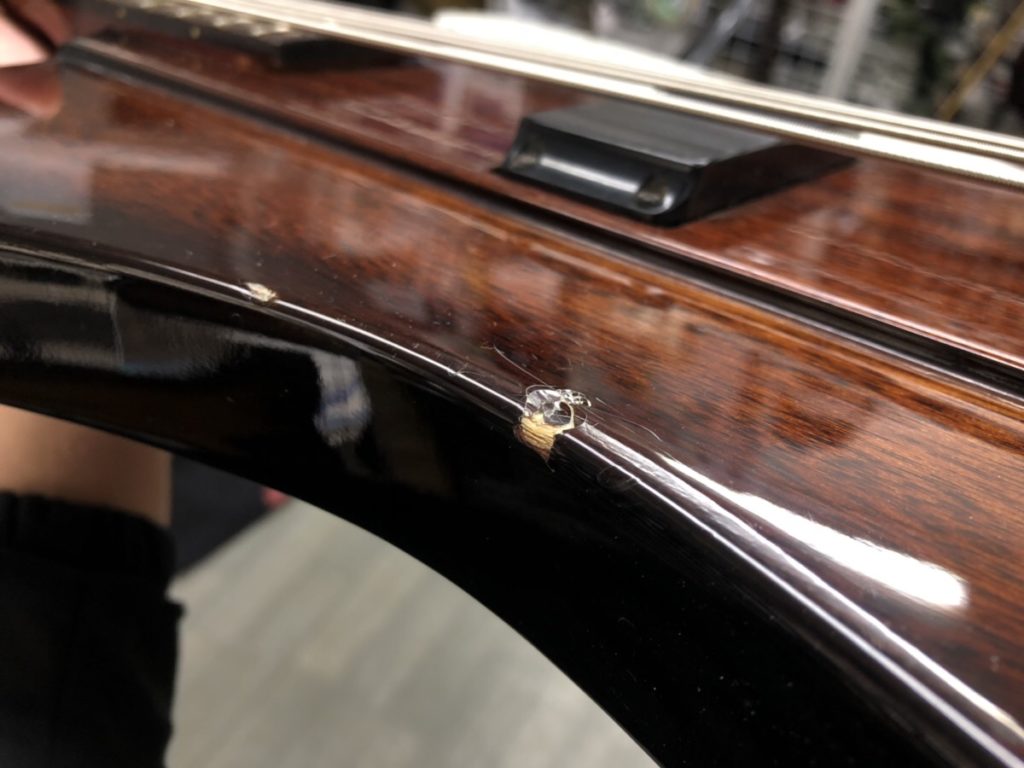
| Lacquer (nitrocellulose) | Polyurethane | |
|---|---|---|
| How it cures | Solvent evaporates | Chemical reaction |
| Hardness | Soft, scratches easily | Hard, resists scratches |
| Thickness | Easy to keep thin | Easy to build up thick |
| Finish cracks (checking) | Can appear | Basically never |
| Solvents | Dissolves | Resistant |
| Aging | Yellows, dulls, sinks into the grain | Changes very little |
| Production | Slow to dry, costly | Fast, lower cost |
| Typical use | Vintage, traditional, and high-end models | Production and modern models |
What Is Lacquer?
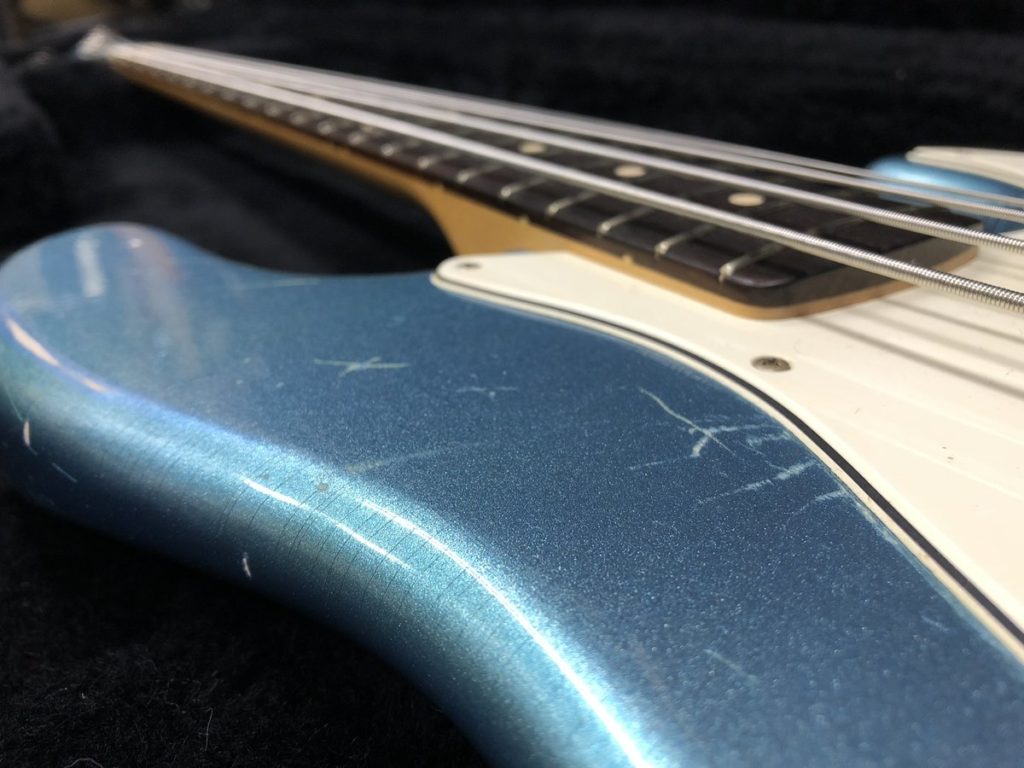
Lacquer protects the wood from air and dirt. It's a resin dissolved in a fast-evaporating solvent; as the solvent evaporates, the finish hardens. Nitrocellulose lacquer is the one guitar and bass players love, because Fender and Gibson used it from the start. It's still common on traditional and high-end instruments.
It was widely used in the car industry from the 1920s. As it dries, the film shrinks and gets thinner, which makes a thin finish easy to achieve. The solvent keeps evaporating for a while even after the surface feels dry, so if you spray poly over fresh lacquer, the escaping gas can crack the top coat (some finishes use this on purpose).
Weather Checking: Lacquer's Signature
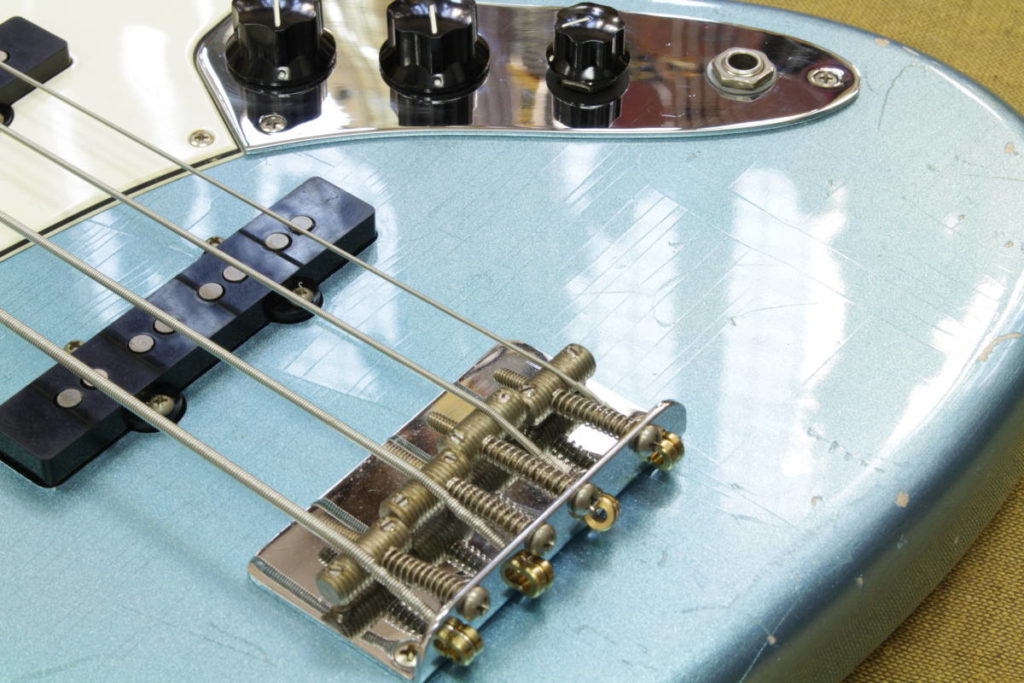
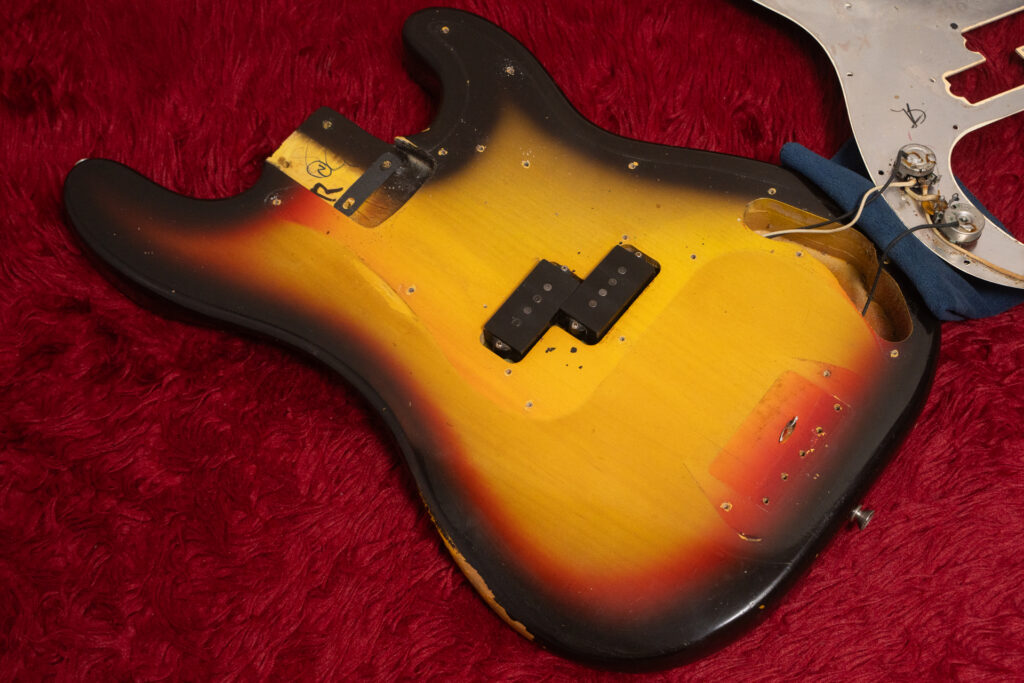
Part of lacquer's appeal is weather checking: fine cracks in the finish. When temperature and humidity change, the wood and the finish expand and shrink by different amounts, and the gap shows up as thin lines. Hard poly finishes basically don't do this, so checking is one sign you're looking at lacquer. (Some poly instruments have fake checking cut in with a blade.)
How to Tell Lacquer from Poly
Even experienced eyes find this hard. A few clues:
- Clarity: poly is very clear; lacquer can look slightly milky by comparison.
- Scratches: lacquer scratches easily; poly scratches in its own hard, distinctive way.
- How it chips: lacquer wears away; poly flakes off like a scab.
- Checking: if there are cracks, it's probably lacquer.
- The spec sheet: the most reliable answer is what the maker says.
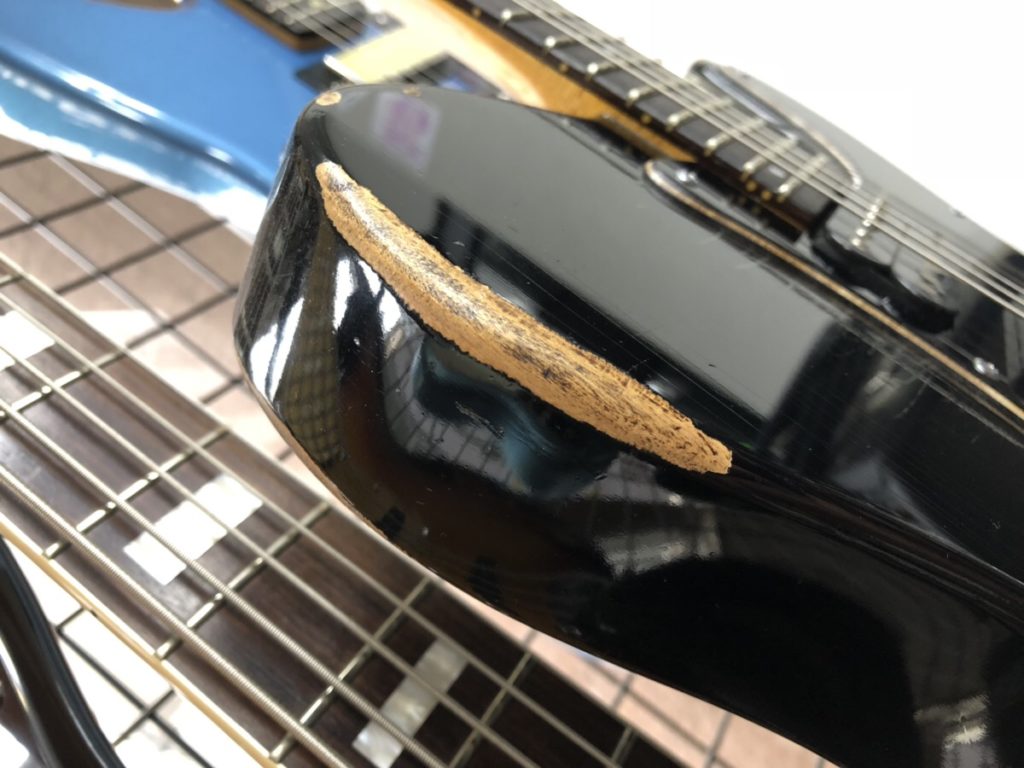
Lacquer wears away gradually.
Poly flakes off in chips.
Repair techs sometimes test with solvent in a hidden spot like a cavity, but it can damage the instrument. We don't recommend trying it yourself.
How to Care for a Lacquer Finish
The basic routine
- After playing, wipe off sweat and skin oil with a dry, soft cloth.
- If it's dirty, put a little lacquer-safe polish on the cloth, not on the bass.
- Wipe gently. Don't press.
- Finish with a dry part of the cloth to remove any leftover polish.
Make sure the polish is lacquer-safe
Most guitar polishes today are fine on lacquer, but avoid anything with silicone or strong solvents. Ken Smith Pro-Formula Polish is a well-known choice, and it's what our staff use day to day.
Be careful with abrasives
For stubborn grime, techs sometimes use a polishing compound. Lacquer is soft, though, so compound can thin it or change the sheen. Test a tiny area first, or leave it to a pro. Compound is great for metal parts like tuners, bridges, and frets; use a fret guard to protect the fingerboard.
Use a soft cloth
Pressing hard with a cloth can leave fine swirl marks, on lacquer especially, but on poly too. A soft, fine-weave cloth is worth it.
Why "Lacquer-Safe" Stands Still Need Protection

We won't say "lacquer-safe" labels are lies. But when rubber or plastic touches a lacquer finish for a long time, a chemical reaction can soften, discolor, or mark it. At the very least, don't leave a bass on the same stand for months.
Cover the contact points with a soft cloth. Avoid rough fabric: on a finish that's still soft, even the weave can leave a pattern. Music shops often use slip-on stand covers for exactly this. They make the bass a little slippery, so lean it carefully, but they're worth it.
Other things to watch: the lining of some gig bags and cases, rubber or vinyl items (parts of straps, rubber feet, plastic bags), and the padding on wall hangers.
Storage, Temperature, and Humidity

Sudden temperature and humidity changes are the main cause of checking.
- In winter, after coming in from the cold, leave the bass in its case for a while before opening it.
- Winter air is dry. Keep a hygrometer near your instruments.
- Never leave a bass in a hot car. Heat softens the finish, and case linings or stands leave marks more easily.
- Keep it away from direct sunlight and from heating or AC vents.
Humidity affects the neck too. See How to Check Your Bass Neck.
From the GIB Bench

Shunsuke Saga, founder of Geek IN Box.
Whether lacquer or poly sounds better is still debated. Our founder Shunsuke Saga personally loves lacquer, simply because it's what Fender used: if you're building a Fender-style replica, lacquer is the obvious choice. At the same time, a well-applied poly finish is excellent too, and on modern-style instruments he's all for it.
When Not to Fix It Yourself
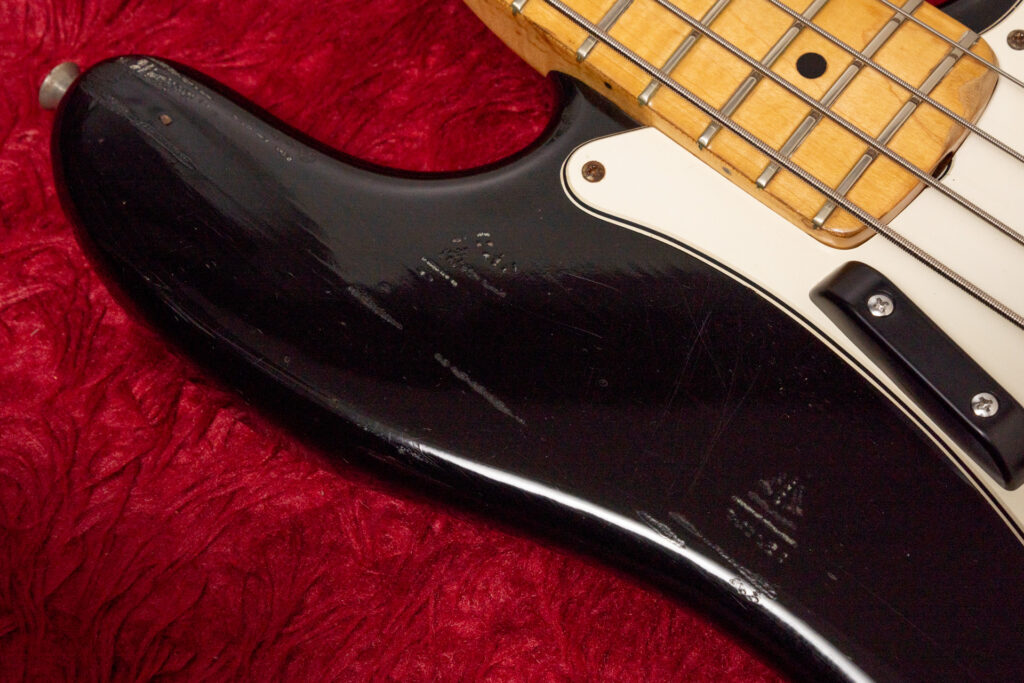
- A stand or case has softened or discolored the finish
- The finish has chipped down to bare wood (moisture gets in and chips can spread)
- You want to remove dings or deep scratches
- Checking is spreading and the finish is lifting
- It's an original vintage finish, where the wrong repair can affect value
Touch-up pens and compounds often make things more noticeable. The right fix depends on the finish and the instrument, so ask a pro first.
FAQ

Does lacquer sound better?
Some say the thinner film lets the instrument resonate more, but poly can be applied thin too, and opinions vary. People choose lacquer because it matches vintage specs and ages beautifully. A well-done poly finish is excellent as well.
How often should I clean it?
Wipe it with a dry cloth after playing. Polish only when it's dirty, or when you change strings.
Should I repair weather checking?
Not necessarily. Many players see it as character. If the finish is lifting or flaking along the cracks, though, get it looked at before it spreads.
Can I keep it on a stand?
Yes, with stand covers, for a bass you play regularly. If it won't be played for months, a case is better.
Shop with Confidence from Japan
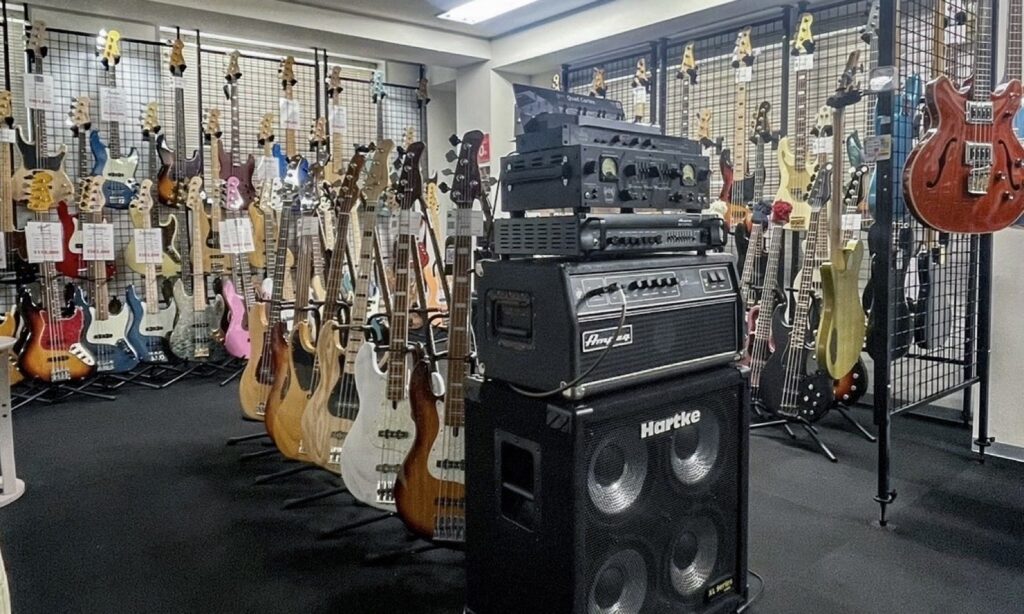
Geek IN Box Yokohama.
Geek IN Box ships worldwide, and every price already includes shipping and import duties, so there are no surprise charges when your order arrives. Every instrument goes through our highest level of quality control before it leaves Japan.


