

How to Check Your Bass Neck: Spotting Forward Bow, Back Bow, Rising Tongue, and Twist
Your action feels higher than it used to. A couple of notes have started to buzz. Before you blame the strings or the bridge, check the neck. A bass neck is made of wood, and wood moves with the seasons. A small change in the neck shows up right away in how the bass plays.

A 1966 Fender Precision Bass from our stock. Even a 60-year-old neck stays healthy with the right care.
This guide covers the three kinds of neck movement you'll run into, how to check for each one using only your strings, what makes necks move, and when to stop adjusting and get the neck properly measured.
The Three Ways a Neck Moves
Forward bow (too much relief)
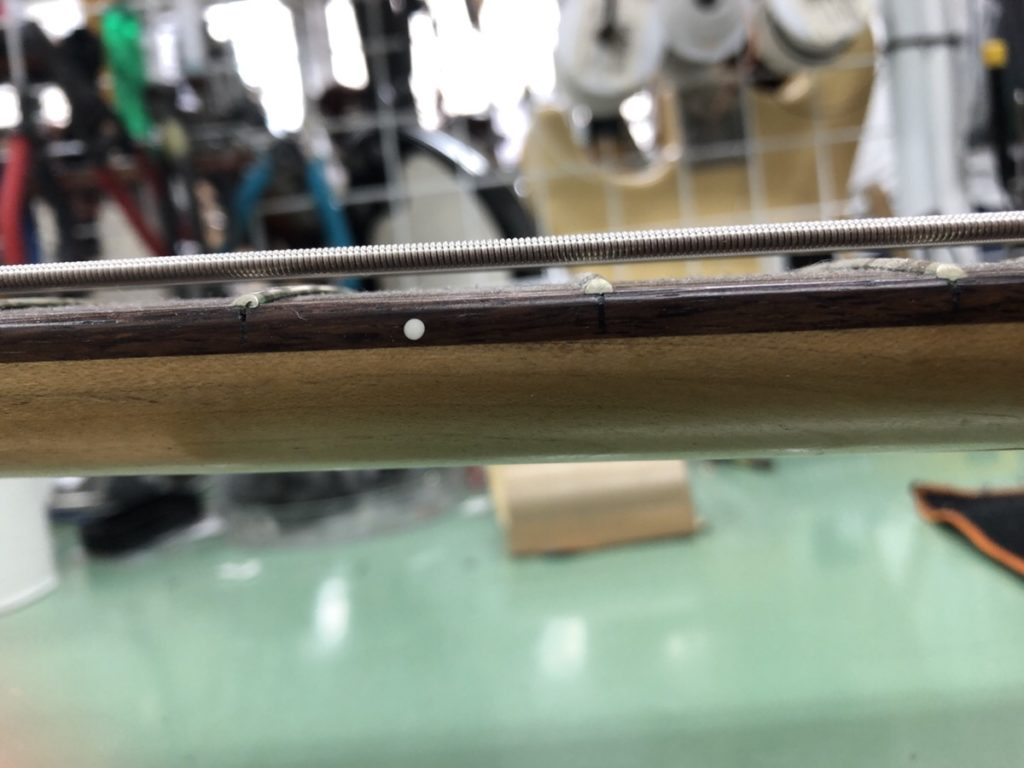
Fretted at the 1st and 12th frets: a large gap in the middle means too much forward bow.
String tension pulls the neck forward into a gentle curve toward the strings. This is the most common condition on bass. The strings sit higher around the middle of the neck, and the bass feels stiff to play.
Back bow
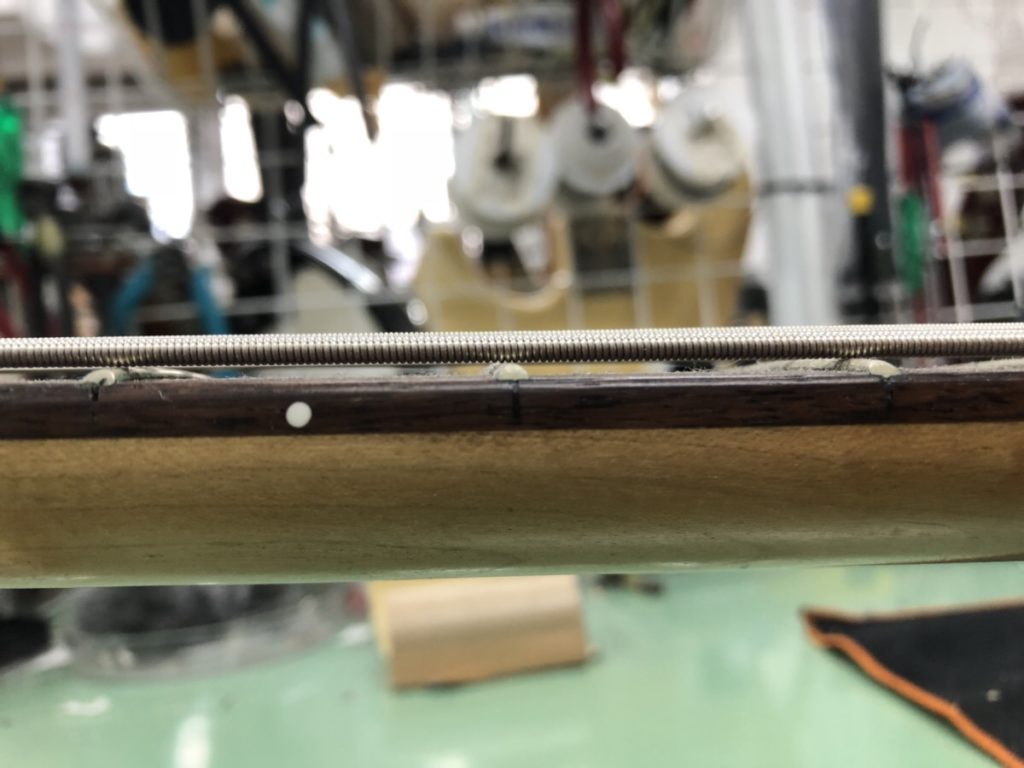
Same check, but the string is almost touching the frets: a sign of back bow.
The opposite case. The neck curves away from the strings, so the strings sit too close to the frets. Expect buzzing, mostly in the lower positions.
Twist
The treble side and the bass side of the neck bend by different amounts. You may get buzzing on one side only, or high action on just the E or the G string. A truss rod adjustment alone usually won't fix a twist. It needs professional work.
How to Check Your Neck
Method 1: Use the string as a straightedge
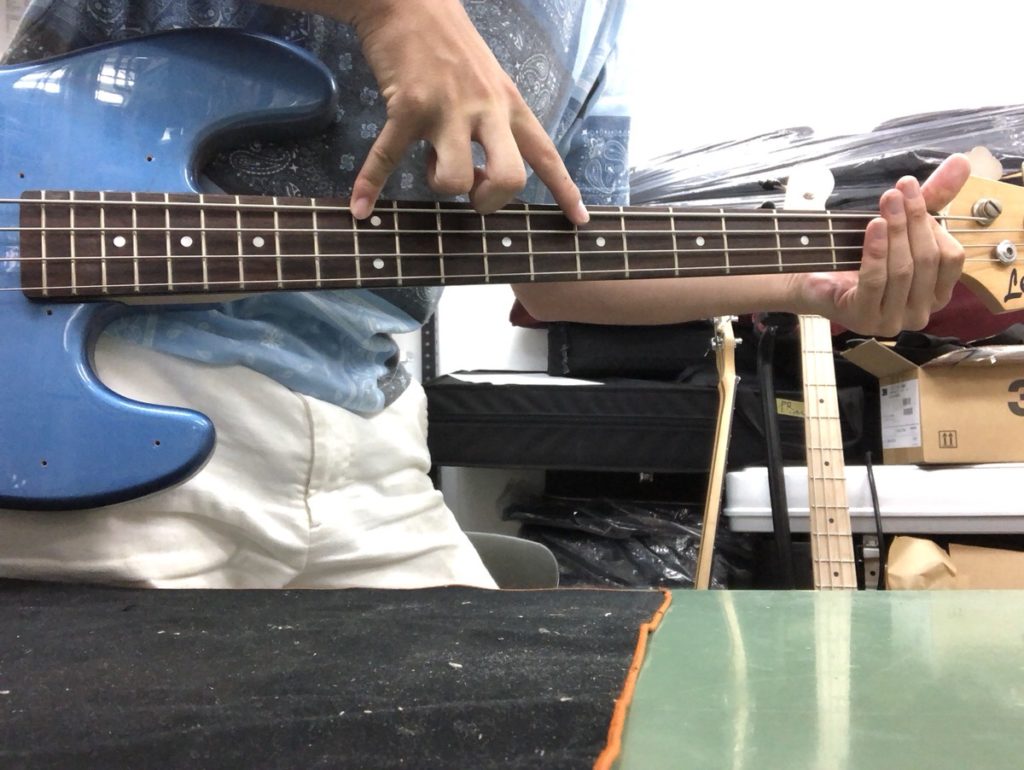
Hold the bass the way you play it, then fret the 1st and 12th frets together.
This is the most reliable check. Fretting a string at two points turns it into a perfectly straight line, and the gap between that line and the frets tells you what the neck is doing. Tune to pitch and hold the bass in playing position before you start. If you lay it flat on a table, gravity acts on the neck differently than when you're playing.
Step 1: Check relief. Fret the E string at the 1st and 12th frets at the same time. Look at the gap between the string and the frets around the 6th–7th fret. This shows you the first half of the neck.
- A small gap: a healthy amount of relief. This is normal.
- A large gap: too much forward bow.
- No gap, the string touches the frets: likely back bow.
Step 2: Check for a rising tongue. Now fret the 1st fret and the last fret, and look at the gap again. Compare it with Step 1. If the result changes, the upper part of the fingerboard may be lifting near the neck joint. This is called a rising tongue (or "ski jump"). It causes buzzing and choked notes high up the neck.
Step 3: Check for twist. Repeat the same check on the G string and compare it with the E string. If the gaps are clearly different, the neck may be twisted.
Bass strings are thick and swing wide when they vibrate. That's why a little forward bow usually plays better than a dead-straight neck: the bass buzzes less and feels easier to play.
Method 2: Sight down the neck
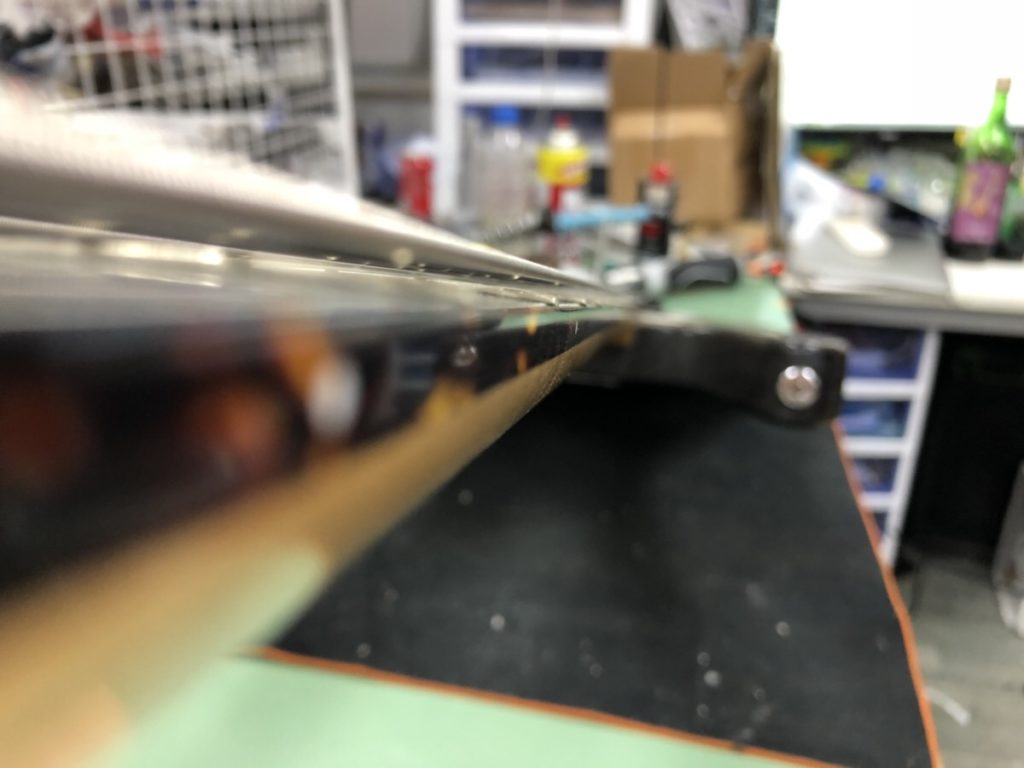
Get your eye level with the fingerboard to see the gap clearly.
Hold the bass up and look from the headstock down the edge of the fingerboard toward the body. Check whether the tops of the frets form one straight line or a curve. This gives you the general direction of the bow, but it won't show you small amounts. Use it together with Method 1.
Signs your neck has moved
- The action feels higher, and you have to press harder to fret notes
- Buzzing or choked notes in certain positions
- Notes high up the neck sound out of tune
What Makes a Neck Move

A neck is a long piece of wood under constant string tension, so it reacts to its environment.
Temperature and humidity
Wood swells when it takes on moisture and shrinks as it dries out. Necks move most when the seasons change: humid summers, and dry winters. Indoor heating makes winter air even drier, so the start of the heating season is a common time for necks to shift.
Changes in string tension
Switching to a heavier gauge or tuning down a lot changes how hard the strings pull on the neck, and the neck follows.
Where you keep it
Direct sunlight, an air vent blowing on the bass, or a car interior all expose the neck to fast swings in temperature and humidity.
How to Prevent It
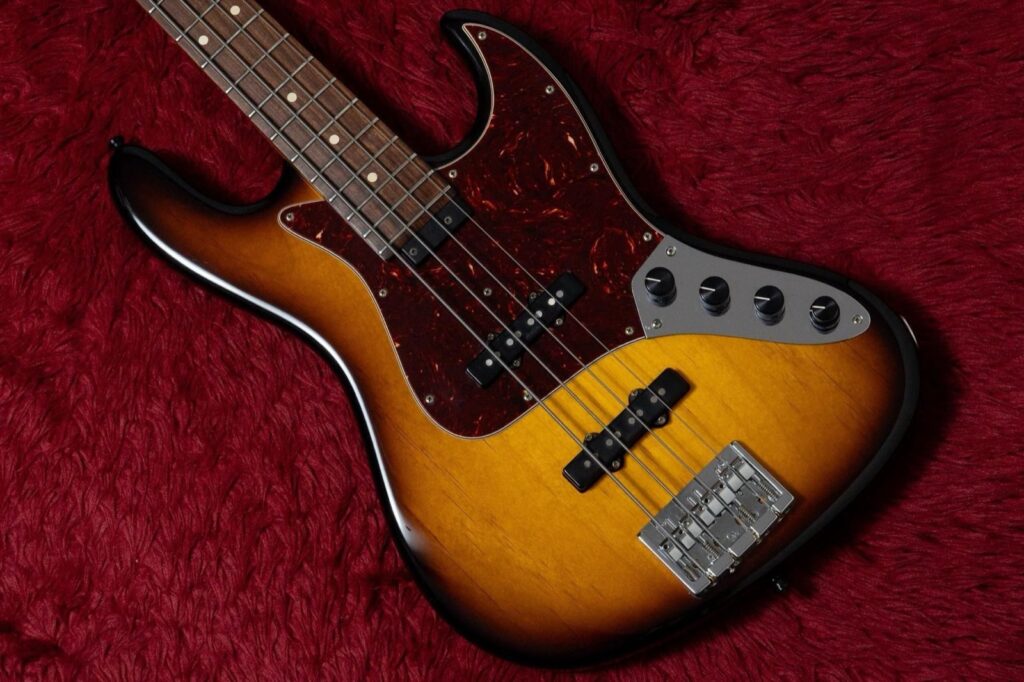
Stable storage is the best protection for any neck.
- Keep the bass at around 40–60% relative humidity. A humidifier, a dehumidifier, or humidity packs in the case all help.
- Check the neck whenever you change string gauge or tuning. New tension means the neck will move.
- Make it a seasonal habit. Run the string check above every time the season changes.
Adjusting with the Truss Rod
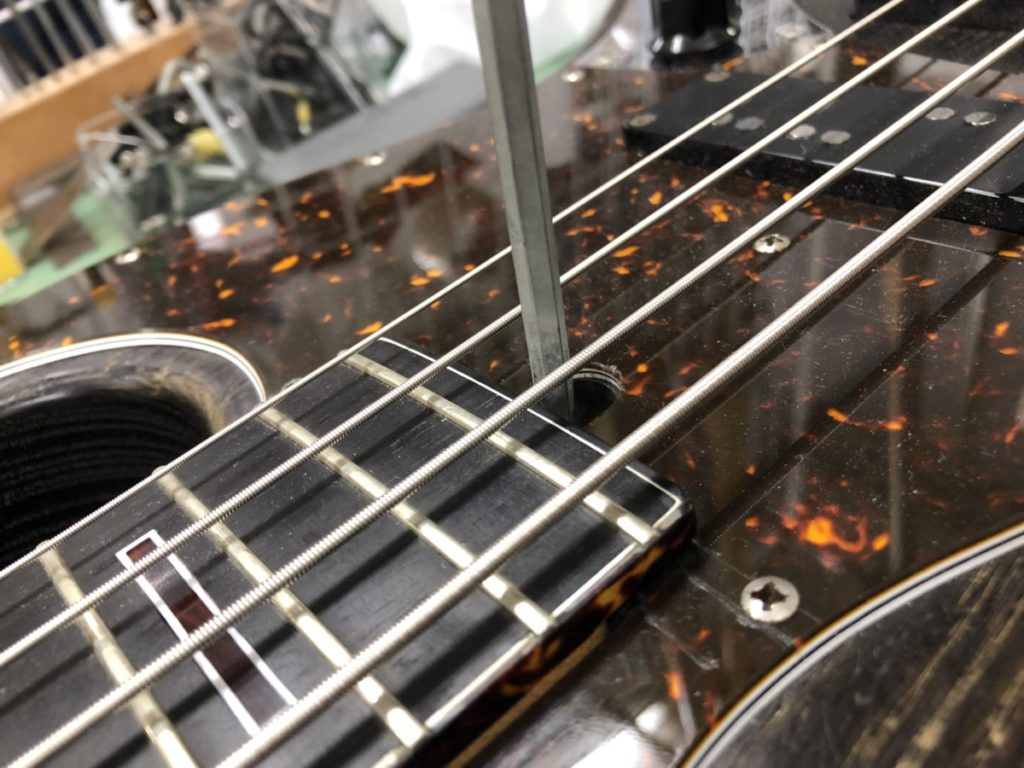
A hex wrench in a headstock-side truss rod nut. Make sure the tool fits snugly.
Inside the neck is a steel rod called the truss rod. Turning it changes the curve of the neck. On most basses, tightening the rod (clockwise) reduces forward bow, and loosening it (counterclockwise) reduces back bow. Some designs, such as double-action rods, work differently, so check what your bass has. Turn in small steps, let the neck settle, retune, and check again.
Be careful with these
- Over-tightening. Too much force can snap the rod or strip its threads. If the nut suddenly gets very hard to turn, stop.
- Over-loosening. The nut on the end of the rod can come off completely. Getting it back on may mean taking the neck apart.
- Using the wrong tool. A wrench that doesn't fit will round off the nut.
If the truss rod doesn't fix the problem, or you've found a rising tongue or twist, the rod alone isn't the answer. That's where precise measurement comes in.
Measuring It Properly: PLEK
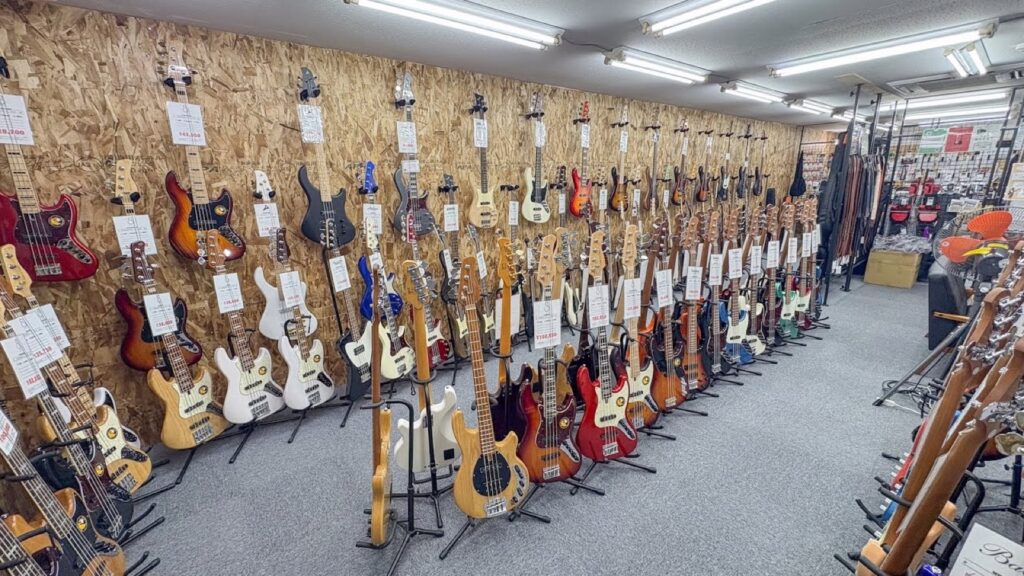
GIB Hyogo, where our PLEK work is done.
Checking by eye has limits. A bass neck carries a lot of string tension, and the fingerboard is rarely just "bowed" or "back-bowed." There are often small waves and a lifting area near the neck joint that you can't see.
At Geek IN Box, we use a PLEK machine for this. The PLEK scans the neck, fingerboard, and frets with the strings on and tuned to pitch, measuring relief, fret height, action, and buzz down to 1/1000 mm. It measures each string separately, so it finds twist and a rising tongue as well. Before anything is touched, it simulates how much material needs to come off to reach the target action without buzzing. Because it only removes what is necessary, the frets last longer. The scan data is saved, so the bass can be brought back to the same setup years later.
Summary
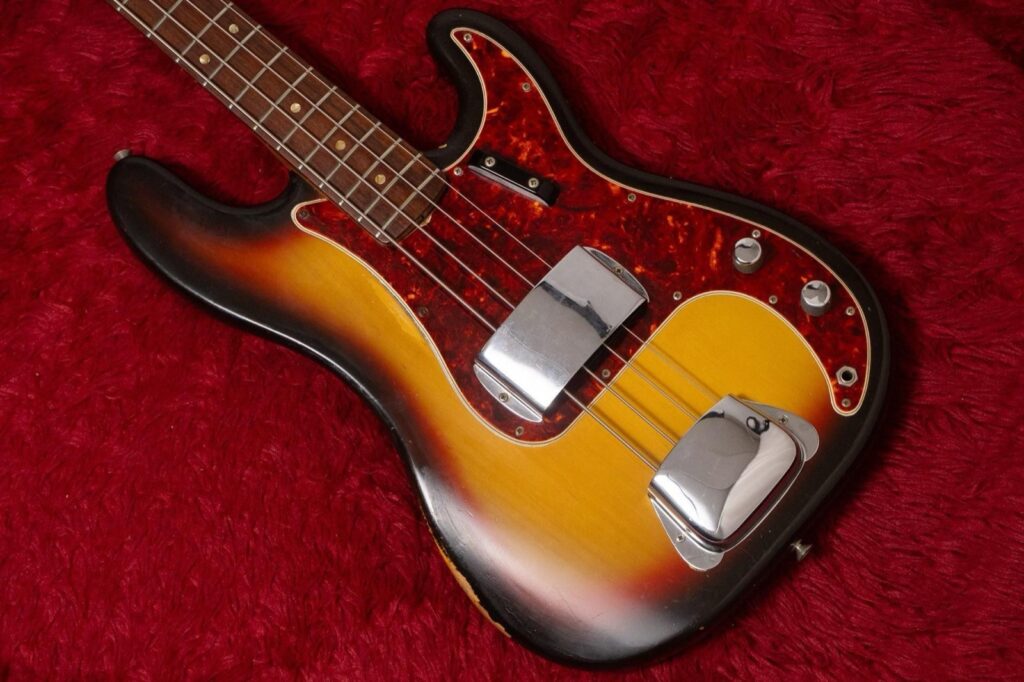
To check your neck, fret the 1st and 12th frets and look at the gap in the middle. A large gap means forward bow; no gap means back bow. Compare the 1st-to-last-fret check to find a rising tongue, and compare the E and G strings to find twist.
Most neck movement comes from temperature and humidity. Store your bass carefully and check it each season, and it'll keep playing the way it should.
Shop with Confidence from Japan
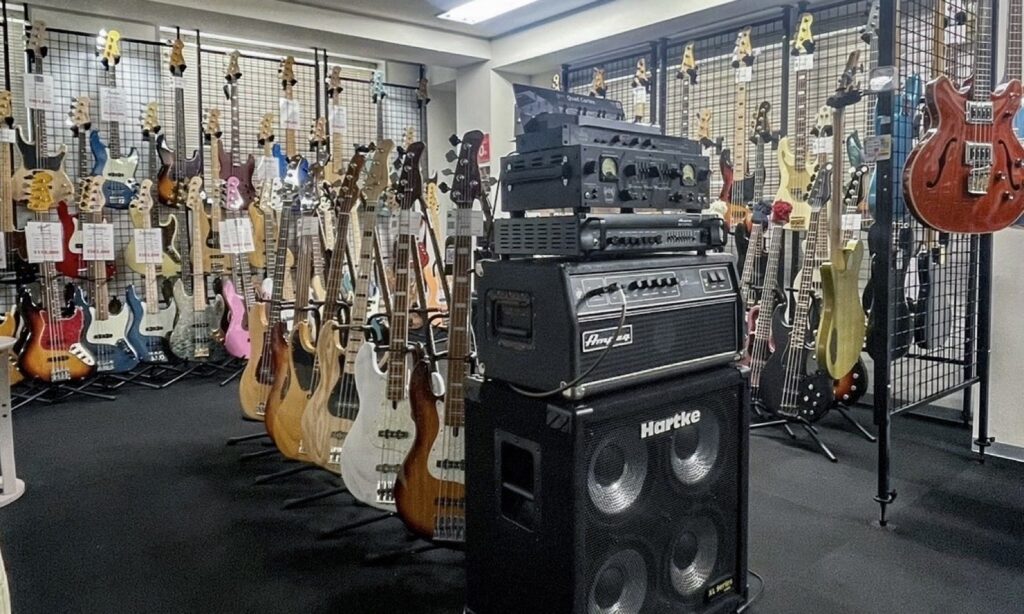
Geek IN Box Yokohama.
Geek IN Box ships worldwide, and every price already includes shipping and import duties, so there are no surprise charges when your order arrives. Every instrument goes through our highest level of quality control before it leaves Japan.


