

5 Best Jazz Bass Pickups: A Bass Shop's Picks and How to Choose
"My Jazz Bass just doesn't sound quite right." "I want it fatter." "I want it clearer." Plenty of bassists feel this way about their J-style bass. A new amp or pedal can help, but replacing the pickups, the heart of the instrument's sound, is one of the most effective and dramatic changes you can make.
The problem is choice: there are countless replacement pickups out there. In this guide the staff of Geek IN Box, a bass-only shop in Japan, narrow it down to five brands, with the sound of each and the kind of player it suits.
What Does a Jazz Bass Pickup Swap Actually Change?

Before you shop, it helps to know what you stand to gain. The change can be big, almost like buying a different bass.
- Sound character. Vintage warmth or powerful modern punch? New pickups can completely change the personality of your bass.
- Noise. If hum is your problem, a pickup swap is a very effective fix. Dual-coil and heavily shielded designs cut noise dramatically.
- Impedance. Active pickups such as EMG put out a low-impedance signal right at the pickup, giving you a quiet, wide-range sound.
How to Choose Jazz Bass Pickups: 3 Things to Decide

1. Passive or active?
- Passive pickups need no battery and sound natural and warm. They respond honestly to the nuances of your picking hand, and they are what most Jazz Basses ship with.
- Active pickups need a battery and deliver a powerful, clear sound with very little noise.
2. Vintage or modern voicing?
- Vintage: aimed at the dry, overtone-rich tone of 60s and 70s Jazz Basses.
- Modern: higher output, wider range and the clarity that today's music calls for.
3. Single-coil or dual-coil?
- Single-coil: the traditional Jazz Bass design. A single pickup on its own will hum.
- Dual-coil (hum-canceling): used by modern brands such as Sadowsky. Each pickup cancels hum by itself, so it stays quiet even when soloed.
The 5 Best Jazz Bass Pickup Brands
1. Lollar: Hand-Made Vintage Tone from a Craftsman Who Knows the Real Thing

Lollar is a hand-made pickup brand often said to be second to none at recreating vintage tone. These pickups catch every nuance of your attack and return a sound with enormous detail and a three-dimensional quality. The result is strikingly musical and genuinely inspiring to play. They are on the expensive side, but worth it: once you have played them it is hard to go back.
Best for: serious players who love vintage-style tone.
Used by: de Gier, Nash Guitars

Models to try
- Jazz Bass 4-String Pickup Set: rich from the mids up through the highs
- 70s Jazz Bass 4-String Pickup: strong low end and midrange
2. Delano: Modern Hi-Fi Sound from Germany

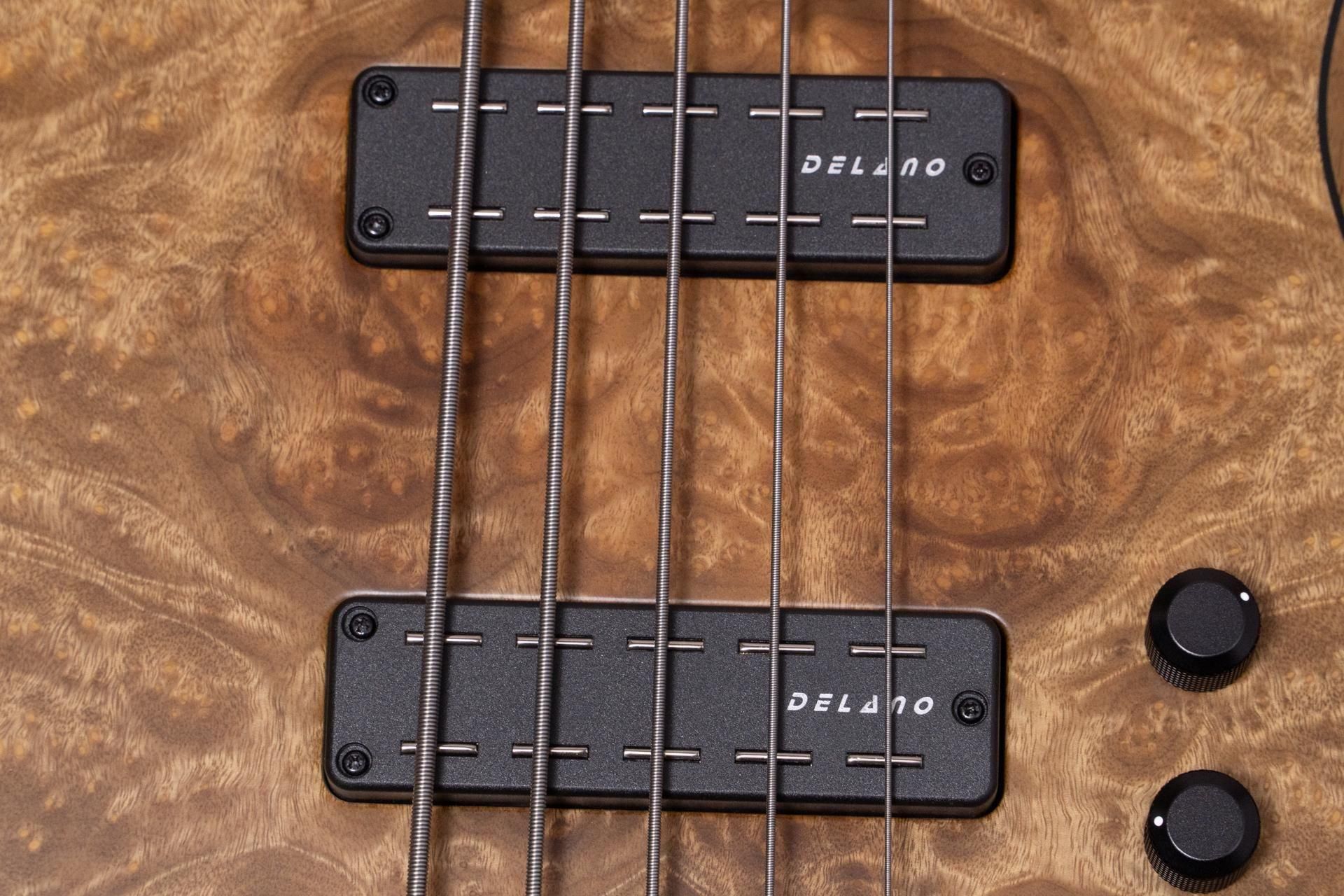
Delano is a German maker whose pickups have a level of refinement that could only come from a modern design. The sound is modern, powerful and very hi-fi. Notes speak extremely fast and each one stands out clearly, so even quick lines never smear. The percussive slap tone is superb. If your current sound leaves you wanting more, this is the brand to try.
Best for: fusion and jazz players, and anyone who wants to stand out in a modern pop mix.
Used by: Meridian Guitars, Alusonic
Models to try
- JMVC 4 FE/M2: the modern pickup favored by Hadrien Feraud
- JC 4 AL: a modern-vintage design with Alnico magnets
3. Seymour Duncan: The Industry Standard When in Doubt

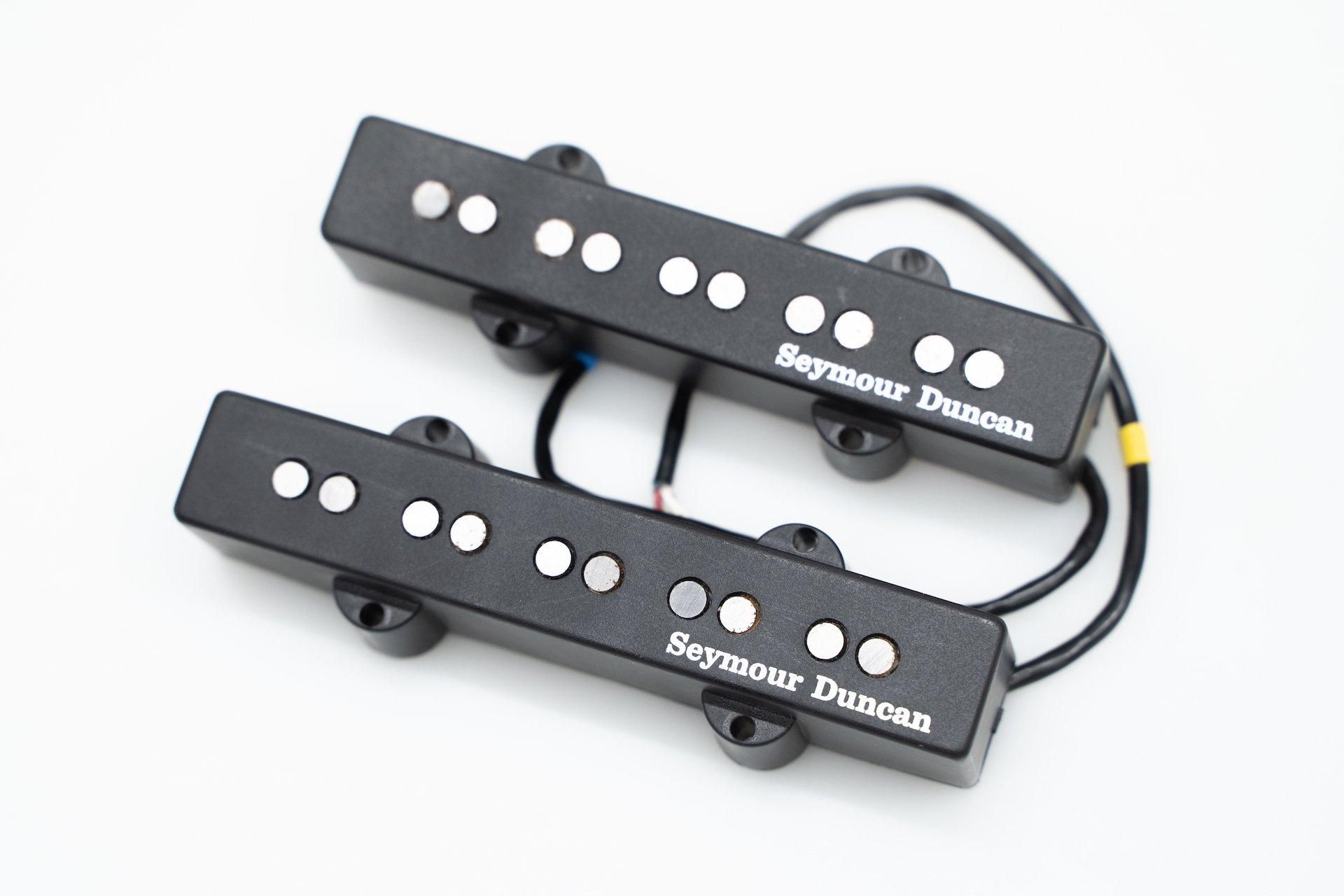
Seymour Duncan is practically a synonym for replacement pickups. The range is vast, from vintage to modern to noiseless, and covers what almost any player could ask for. The classic SJB-1 Vintage is the textbook 60s Jazz Bass sound, so if you are unsure where to start, start here. The more powerful SJB-3 Quarter Pound is also very popular. Whatever style you play, there is an answer in this catalog.
Best for: everything from rock to jazz.
Used by: ESP, Schecter
Models to try
- SJB-1: vintage sound
- SJB-3: modern and powerful
- Antiquity: a realistic vintage replica
4. Bartolini: Smooth, Deep, Refined Tone
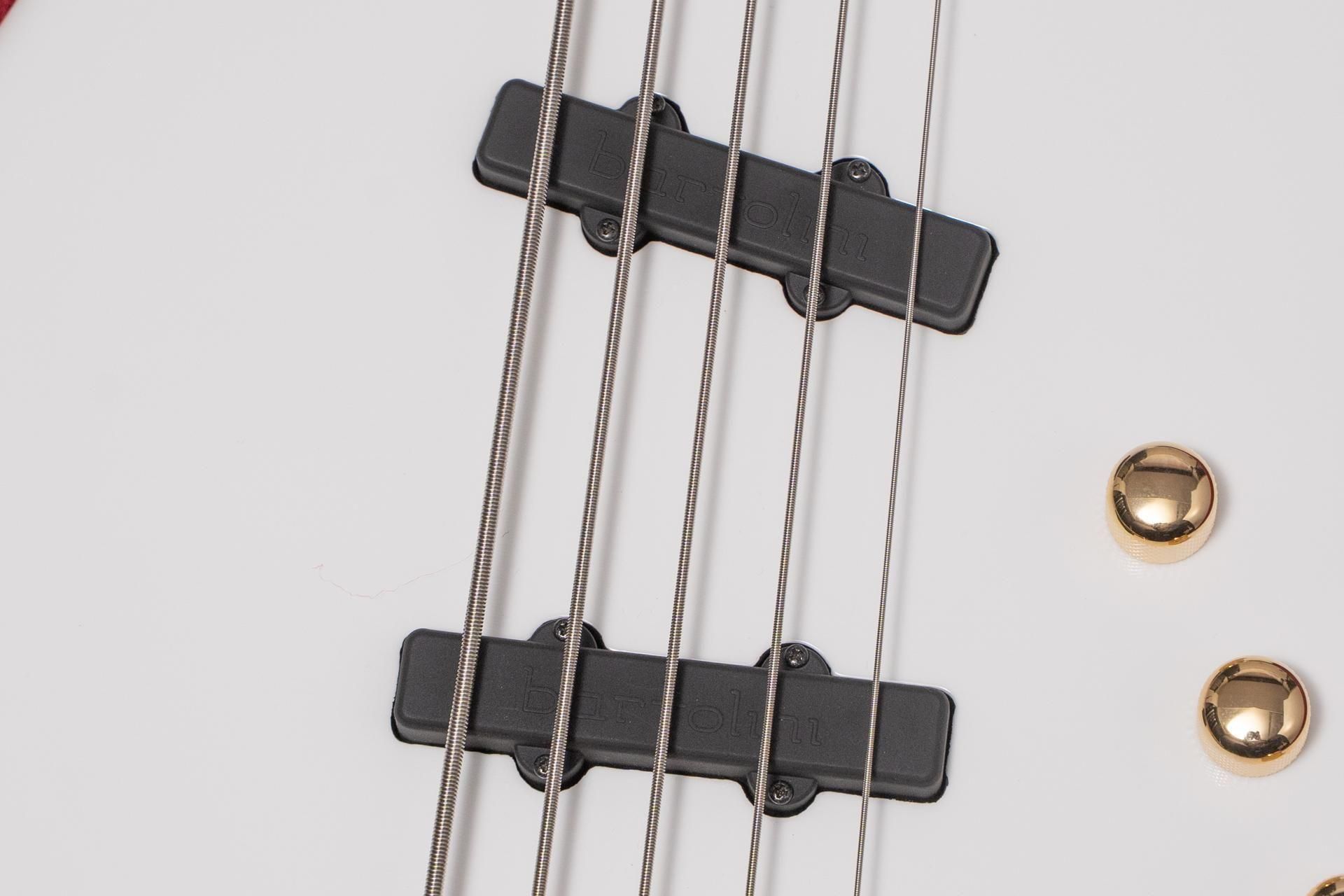
Bartolini is a long-established American brand, known as standard equipment on many high-end basses. Players call it "the Bartolini tone": deep, warm and very smooth. The pickups reproduce low frequencies exceptionally well and hold their place in an ensemble. Notes keep their definition while harsh highs stay under control, and the expressiveness with fingerstyle playing is something special.
Best for: jazz, fusion and gospel.
Used by: Meridian Guitars, MTD, Roscoe, Lakland
Models to try
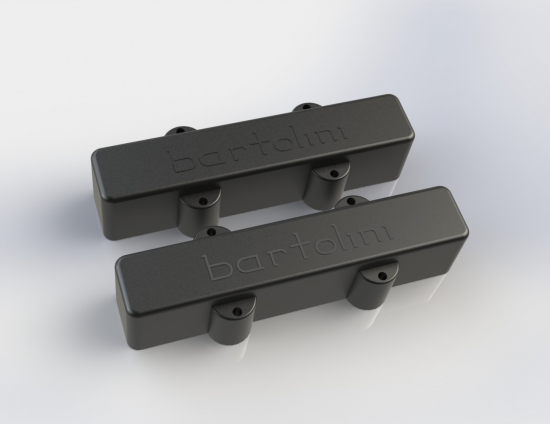
- 9S: the classic Bartolini sound
- B-Axis: a newer model with rich overtones
5. EMG: The Name in Active Pickups

EMG pioneered the active pickup. Low noise, plenty of power and endless clarity are its trademarks. Because the output is low impedance, you lose very little tone even over long cable runs. The crisp attack in slap playing and the way these pickups handle distortion in heavy rock are outstanding. For a modern sound, EMG is a top choice.
Best for: modern tones, slap and heavy rock.
Used by: Spector, Carl Thompson

Models to try
- J Set: the standard
- JV-X Set: wide headroom and a natural sound
Quick Comparison: Which Jazz Bass Pickup Is for You?
| Brand | Type | Sound | Choose it if you want |
|---|---|---|---|
| Seymour Duncan | Passive | Classic, wide range of models | The proven standard |
| Bartolini | Passive | Smooth, deep, warm | A refined, mature tone |
| Lollar | Passive | Detailed, authentic vintage | The best vintage sound |
| EMG | Active | Powerful, clear, low noise | A modern, punchy sound |
| Delano | Passive | Hi-fi and fast | Speed and clarity |
Final Thoughts
A pickup swap is the step that brings out the potential already sleeping in your bass. Decide between passive and active, vintage and modern, single-coil and hum-canceling, then pick the brand whose character matches the sound in your head.
Many of the basses we stock come fitted with these pickups from the builder. See what is in stock at Geek IN Box, shipped worldwide from Japan.


